
Strawberries from abroad were sold as "Lajosmizse’s strawberries" – NATCP takes action and imposes fines in the millions during a nationwide inspection
The inspections covered wholesale markets, hypermarkets, fruit and vegetable stores, as well as the temporary sales stands that pop up nationwide along roadsides, in parking lots, or in busy public areas during strawberry season. During the inspections, NATCP experts not only examined the quality of the fruit but also paid special attention to verifying the origin of the products, ensuring the presence of mandatory labeling, guaranteeing traceability, and assessing the hygiene conditions of the sales areas.
One of the most important findings of this year’s inspections was that there are still merchants who attempt to exploit consumer trust in Hungarian products. A particularly sensitive area is Lajosmizse and its surrounding region in Bács-Kiskun County, which is one of the country’s best-known strawberry-growing regions. Strawberry cultivation in the region is based on decades of tradition, and the name “Lajosmizse strawberries” has practically become a brand name in its own right in the eyes of consumers. Experience shows that strawberries originating in Romania are most often sold to consumers as Hungarian products. This type of deception constitutes a serious violation of the law, which can result in significant fines.
The presence of imported strawberries is not a problem in and of itself; approximately 18 percent of the inspected batches came from abroad, which is in line with market conditions and seasonal supply. At the same time, consumers’ decisions and purchasing behavior are negatively affected if they do not receive accurate information about what they are actually buying.
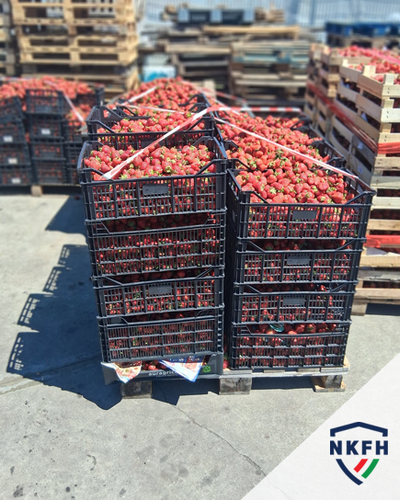
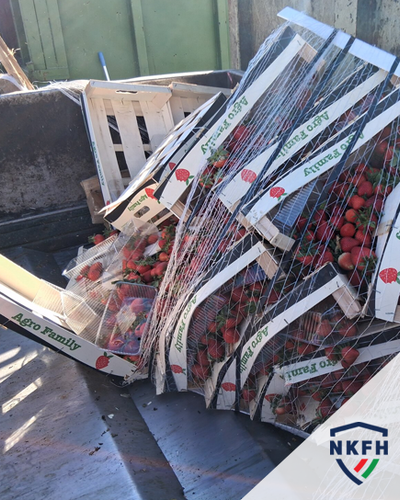
During the inspections, inspectors found that foreign strawberries can often be distinguished from domestic products simply by their appearance. Different countries grow different varieties, which may differ in color, shape, size, or even gloss from what is customary in Hungary. As in previous years, shipping and packaging practices can also be revealing: while domestic producers typically use standardized, reusable 5-kilogram wooden crates, Greek, Spanish, or Polish strawberries usually arrive in smaller, single-use cardboard or wooden crates, and Romanian products are often sold in plastic crates.
Nearly 10 percent of the items inspected did not meet quality, labeling, or traceability requirements. The most common problems were incomplete labeling and the fact that vendors were unable to verify the origin of the goods. The lack of traceability is considered a particularly serious problem, as in such cases any potential food safety risk cannot be adequately addressed. In the most serious cases, the authority was forced to take measures to remove the batches from the market and destroy them. As a result, 10 batches, totaling 2.7 metric tons of strawberries, had to be removed from the market and destroyed.
On a positive note, however, relatively few complaints were raised regarding the quality of the strawberries. One reason for this is that the fruit is in extremely high demand, so it sells quickly and does not remain on store shelves for long. This rapid turnover reduces the risk of the product’s quality deteriorating while on display. During inspections of temporary sales stands, no significant problems regarding fruit quality were identified, and hygiene conditions were generally found to be adequate. Inspectors primarily drew vendors’ attention to minor shortcomings, such as the importance of using protective gloves.
During the priority inspection campaign, the authority’s experts have imposed a total of 3.5 million forints in fines so far; however, in several cases, the amount of the fine is still being determined.
At the same time, the results of the laboratory tests have also shown that food safety inspections remain necessary. Experts collected 19 samples for pesticide residue testing. Four samples yielded unacceptable results: in two samples, the amount of pesticide residue exceeded the permitted limit, and in two others, the presence of an active ingredient not authorized for use on strawberries was detected. Administrative proceedings have been initiated in the cases in question, and sanctions are currently being determined.
Based on the findings of these inspections, consumers can also do a lot to avoid becoming victims of deception. It is especially important to be cautious about suspiciously cheap offers, as “Hungarian” or “Lajosmizse” strawberries sold at prices significantly below market value are more likely to actually be of foreign origin. When making a purchase, it is advisable to check the country of origin label and, if in doubt, ask the seller about the product’s origin.
It is also important for consumers to know that the term “Lajosmizse strawberries,” which is extremely popular in everyday language, does not actually refer to a specific strawberry variety. Rather, the term has evolved over the decades into a quality brand name associated with the traditional strawberry cultivation in Lajosmizse and the surrounding area. The region’s favorable natural conditions, local cultivation expertise, and high-quality crops that reach the market early have collectively built the trust that still drives consumers to seek out “Lajosmizse” strawberries today. It is precisely this reputation that makes the unauthorized use of the name so appealing. The NATCP therefore urges consumers to continue shopping with caution during the season and, whenever possible, to purchase the fruit from reliable, verifiable sources.
Even after the strawberry season ends, regulatory oversight will continue: the NATCP will continue to inspect the produce market in the coming months to ensure that shoppers actually receive what the label, sign, or vendor promises. Such inspections not only serve to protect consumers but also serve the interests of law-abiding, fair-trading businesses, as they contribute to maintaining fair market competition and taking effective action against market participants who violate the law.
Share with others!
Facebook share
About Us
Who we are?Complaint
Where can I turn to?© 2026 - National Authority for Trade and Consumer Protection
Created by:


Készült a Digitális Állampolgárság Program keretében.